Superhero Movies Are Not Dead (Yet)
In this article, you will learn about the current state of the genre
The golden age of superhero movies seems to be over. For years, they dominated the box office with little to no competition. But today, a noticeable fatigue is setting in: audiences are losing interest. Box office figures are dropping significantly. It feels as though the entire genre is suffocating under the weight of its own multiverses. Movies often come across as nothing more than endless, confusing trailers for the next big event. Visual quality is suffering from assembly line production and severely overworked visual effects studios. The magic seems to have completely faded.
But is this really the irreversible end of an entire cinematic era? If these movies are truly dead, why do certain projects still go on to break records? Why do they continue to dominate pop culture discussions?
In this article, we explore exactly these questions. We'll show why so-called "superhero fatigue" is, in fact, a huge myth. We'll analyze in detail what audiences truly want to see on the big screen today. And we'll take a close look at the developments that could still save the genre at this very moment.
The Alleged Superhero Fatigue
The explanation for the massive decline in the popularity of comic book adaptations is actually quite simple. Audiences don't have a general aversion to superheroes. What they do have, however, is a strong intolerance for mediocre storytelling. As James Gunn, current head of DC Studios, aptly noted back in 2023:
"It doesn't have anything to do with superheroes. [...] If you don't have a story at the base of it, just watching things bash each other, no matter how clever those bashing moments are, no matter how clever the designs and the VFX are, it just gets fatiguing."
Nowadays, audiences can tell within the first few seconds whether a movie has a genuine creative vision. They immediately sense when what's playing out on screen is nothing more than a lifeless algorithm at work. Viewers notice when a script is merely ticking boxes for studio executives. But when the emotional impact truly lands, the crowds flock back to theaters instantly.
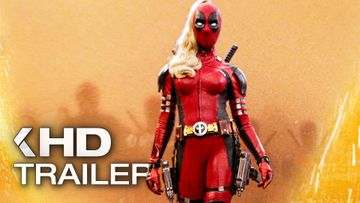
This is evident in massive hits like "Deadpool & Wolverine", which grossed over 1.3 billion US dollars worldwide in 2024, making it the most successful R-rated film of all time. The deeply emotional finale of "Guardians of the Galaxy Vol. 3" showed the exact same phenomenon and brought in a whopping 845 million US dollars at the box office. The same applies to the visually groundbreaking animated milestones of the "Spider-Verse" films. These movies are hugely successful and loved by audiences. They break away from sterile conventions. They dare to be distinctive – and sometimes uncomfortably so.
The fascination with superhuman protagonists is therefore very much alive. The condition for this, though, is unmistakably clear: both craftsmanship and storytelling must absolutely be of the highest possible standard. Simple, hastily told origin stories following the same old formula no longer excite anyone. This inevitably leads us to the next essential question: what exactly do people expect from a superhero movie today?
The True Essence of Modern Myths
It's no longer really about the big, loud CGI final battle in the third act. Modern blockbusters often consume budgets of 200 to 300 million US dollars – but an expensive, computer-generated, and completely faceless army that just happens to drop from the sky impresses no one anymore.
Modern moviegoers are looking for modern mythology. A stylish cape, an indestructible shield, or a magical hammer are just dramatic props at the end of the day. The real, magnetic pull comes solely from profound inner conflicts. Audiences want to see moral gray areas, where everything is not always neatly divided into good and evil. The most powerful and unforgettable moments in cinematic history occur precisely when apparent invulnerability is dramatically shattered.
The hero faces the threat of being broken by his own, very human decisions and mistakes. Viewers demand protagonists whose greatest challenges are purely psychological. We want to see heroes with real, relatable flaws and doubts. An absolutely perfect hero without any weaknesses is simply boring from a narrative perspective.
A closer look at the undisputed masterpieces of the genre reveals a very clear, consistent pattern. This specific pattern holds the key to the survival of comic book adaptations as a whole. So are we even still looking for traditional superhero movies in theaters? Or have we long since been craving something entirely different, something that is merely disguised as a film adaptation of a comic book?
The Necessary Fusion of Genres
The truth about the best movies is both surprising and obvious: the finest examples of the genre deliberately and radically break free from their traditional boundaries. They refuse to be nothing more than simple, predictable superhero movies.
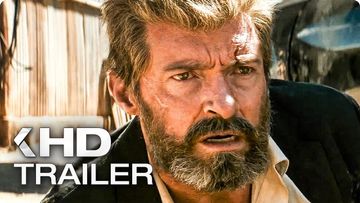
A masterpiece like "Captain America: The Winter Soldier" functions, at its core, as a highly suspenseful, paranoid political thriller. Its direction is strongly reminiscent of 1970s thriller films. "Logan", at its heart, is a gritty, relentless, and incredibly dusty neo-western. The movie tackles universal themes such as aging, mortality, pain, and regret in an exceptionally mature way.
"The Batman" draws heavily and masterfully on the classic stylistic elements of film noir. It tells a consistently dark, atmospheric detective story set in the rainy streets of Gotham. The Dark Knight's costume almost becomes secondary to the narrative. While the protagonists in these movies happen to possess special abilities or advanced gadgets, the solid foundation of the story rests entirely on the proven strengths of classic film genres.
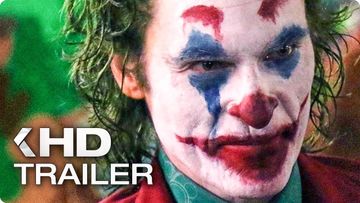
A movie like "Joker" demonstrates this impressively. With box office earnings of over a billion US dollars on a relatively modest budget of around 60 million, the movie proves that a sheer psychological character study can attract massive audiences. It works independently of any comic book universe as a pure psychological thriller and character-driven drama.
It is precisely this clever, daring mix of genres that keeps the fundamental concept alive. The conscious departure from predictable, polished formulas keeps the stories fresh and exciting. The audience has known all these iconic heroes inside out for decades. That's why they are desperate for entirely new perspectives on these well-known characters.
More Drama Pays Off for Studios
This reorientation towards greater psychological depth also brings a massive economic advantage for film studios. The deliberate move away from sprawling, computer-generated battles drastically reduces the enormous production costs. As a result, films reach the profit zone much faster and minimize the financial risk for producers. Ultimately, this gives filmmakers the freedom to adapt unconventional material, since astronomical box office returns are no longer a prerequisite for commercial success.
The Influence of Uncompromising Series
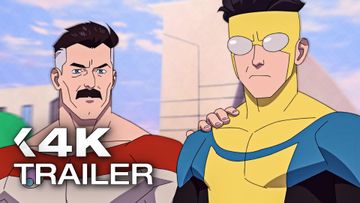
A decisive, powerful impetus for change isn't coming solely from the big screen. TV series are also massively propelling the evolution of the entire genre. Shows like "The Boys" and the animated series "Invincible" are enjoying huge worldwide success with audiences. Adult-oriented superhero series consistently rank among the most-streamed original productions.
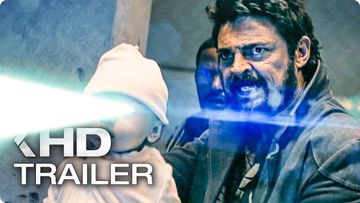
They deconstruct the classic, impeccable myth of the superhero in an extremely brutal and cynical way. They relentlessly expose what happens in reality when flawed humans with superhuman strength suddenly possess absolute power. These shows take familiar, often ridiculed clichés and turn them on their head.
In doing so, they cater to viewers who grew up with classic comic book movies and are now adults themselves. Viewing habits change drastically over time. The phenomenal success of these uncompromising series sends an absolutely clear message to the executives of major film studios: audiences can handle highly complex, dark, and morally ambiguous stories.
Viewers no longer want to be merely protected by their heroes. They want to delve deeply into the darkest parts of their protectors. This constant deconstruction is also forcing blockbuster cinema to rethink its approach immediately. It is this exciting development that leads us straight to the most crucial question: how are the major studios now specifically responding to this completely transformed, more demanding market?
Quality Over Quantity
A look at the studios' newly restructured lineup provides clear answers. The days of effortless billion-dollar successes are definitively and irrevocably over. Simply slapping a publisher's logo on a movie poster is no longer enough to sell tickets. Yet this enormous financial and structural pressure is turning out to be the greatest blessing for fans.
After years of creative stagnation, it is forcing major studios to make significantly bolder decisions. Marvel, for instance, is deliberately and officially scaling back its massive output. Marvel now focuses on a maximum of three movies and no more than two series per year. The emphasis is on quality rather than sheer quantity. Filmmakers are spending more time developing scripts and perfecting visual effects.
Meanwhile, competitor DC is taking a bold step by completely rebooting its cinematic universe. This comprehensive reboot under a new creative leadership is a prime example of this profound transformation. It's a brave new beginning that provides the perfect opportunity to learn from the costly mistakes of the recent past. But what exactly do the studios have planned? What movie projects can we expect in the near future? Let's take a quick peek into the future together!
The New Superhero Movies
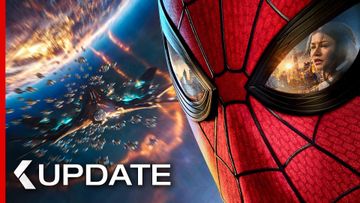
The latest movies herald a new, much-needed era in superhero cinema: high-profile projects like "Avengers: Doomsday" focus on truly epic, yet deeply personal conflicts on the big screen. "Spider-Man: Brand New Day" takes it a step further: here, the filmmakers have deliberately opted against giant monsters and universal threats. Instead, the story centers on concrete crime and Peter Parker's loss of his own identity.
A project like "Supergirl" adapts one of the strongest, most emotional, and unconventional comic book stories of recent years for the big screen. Even a blockbuster like "The Batman 2" is far from being a rushed production: the sequel has been postponed several times – namely because director and screenwriter Matt Reeves wanted to deliver an absolutely perfect script. It's a good sign: visionary directors are once again being granted significantly more creative freedom by the studios. Bold storytelling experiments are finally taking their rightful place at the forefront of productions once more.
The lesson from the recent box office crisis has undoubtedly been very hard and painful for filmmakers. Yet it is absolutely essential and unavoidable for the long-term survival of the entire genre. The superhero genre is by no means dying. Rather, it is undergoing a fundamental transformation and adapting to new demands. It is inevitably becoming more mature and must win back every single fan through sheer brilliance.
So there is every reason to look forward to this newly oriented generation of movies. The tough, relentless struggle for the audience's approval and the constant striving for the highest quality always result in one thing in the end: incredibly good cinematic experiences.