Release Date Announced for Godzilla: Minus Zero
The legendary lizard is back and promises chaos!
Godzilla is finally causing chaos again! After "Godzilla: Minus One" was met with enthusiasm by fans and critics alike, the sequel is finally within reach. The release date for "Godzilla: Minus Zero" has now been announced via Instagram! In Japan, "Godzilla Minus Zero" will be shown on the big screen for the first time on November 3, 2026. The North American cinema release will follow just a few days later.
As with its predecessor, Takashi Yamazaki is once again taking on several central tasks at the same time. He is not only directing and writing the screenplay, but is also responsible for the effects once again. He is said to have a significantly higher budget at his disposal for the second part. Studio Toho is still keeping information about the plot under wraps. However, there is speculation that the sequel could possibly follow on from the legendary original film from 1954. We are curious.
Godzilla: From film monster to cult icon
Godzilla is one of the best-known and most enduring characters in film history. Since his first appearance in 1954, the gigantic monster from Japan has been deeply engraved in the collective memory of pop culture. What began as a dark metaphor for atomic destruction developed into a worldwide cult phenomenon over the decades. Godzilla's cult status is not based solely on his size or destructive power, but on his symbolic depth and cultural versatility.
The birth of a monster in the shadow of the atomic bomb
Godzilla's origins are inextricably linked to the history of Japan after the Second World War. The first film "Gojira" was made against the backdrop of the atomic bombs dropped on Hiroshima and Nagasaki and the American nuclear tests in the Pacific. Godzilla, a primeval creature mutated by radioactive radiation, symbolizes the destructive consequences of nuclear technology. In this early depiction, Godzilla is not a hero, but an unstoppable force of nature that brings death and devastation. This serious, almost tragic portrayal lent the character extraordinary depth from the very beginning.
The transformation from destroyer to protector
Godzilla's role changed considerably over the years. Particularly in the films of the 1960s and 1970s, the monster increasingly became a defender of humanity. Godzilla now fought against other gigantic creatures and took on an almost heroic position. This change of role made him particularly popular with younger viewers and contributed significantly to his cult status. Godzilla was no longer just feared, but also celebrated – as a symbol of strength, resistance and survival.

Iconic design and recognizability
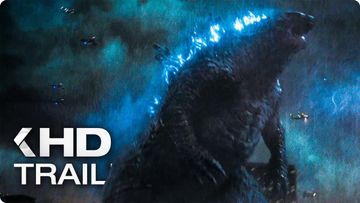
A central aspect of Godzilla's cult status is his unmistakable appearance. The upright posture, the jagged back scales, the distinctive roar and the atomic breath of fire are instantly recognizable worldwide. Despite numerous technical developments and design adaptations, this iconic core has remained intact for decades. This visual continuity ensures that Godzilla works across generations and satisfies both nostalgia and modern expectations.
Godzilla as a mirror of social fears
Godzilla is far more than pure entertainment. The character repeatedly serves as a projection screen for social fears and conflicts. While early films focused on the nuclear threat, later works address environmental destruction, climate change and human hubris. In modern interpretations, Godzilla is often portrayed as nature's reaction to man's reckless actions. This ability to adapt thematically to the zeitgeist makes Godzilla permanently relevant and culturally significant.
International success and global pop culture
Although Godzilla is deeply rooted in Japanese culture, he crossed national borders early on. The films were marketed internationally as early as the 1950s and were later followed by numerous Hollywood adaptations. Even though these western versions often focused more on action and special effects, they contributed significantly to the character's worldwide popularity. Today, Godzilla is a global brand that is present in films, comics, video games, music and merchandise.
A national symbol of Japan
In Japan itself, Godzilla has a special status. He is considered a cultural icon and a symbol of the country's ability to deal with traumatic experiences. Godzilla appears in museums, theme parks and official events and is firmly anchored in the cultural self-image. Unlike many other monster figures, Godzilla represents not only entertainment, but also remembrance and reflection.
Conclusion: The cult status of a timeless figure
Godzilla's cult status is based on a unique combination of historical significance, iconic design and complexity of content. Over more than seven decades, the figure has reinvented itself time and again without losing its symbolic core. Godzilla is a monster, a myth and a warning at the same time. It is precisely this ambivalence that makes him one of the most fascinating and enduring figures in modern pop culture – and secures him a firm place in the world's cultural memory.